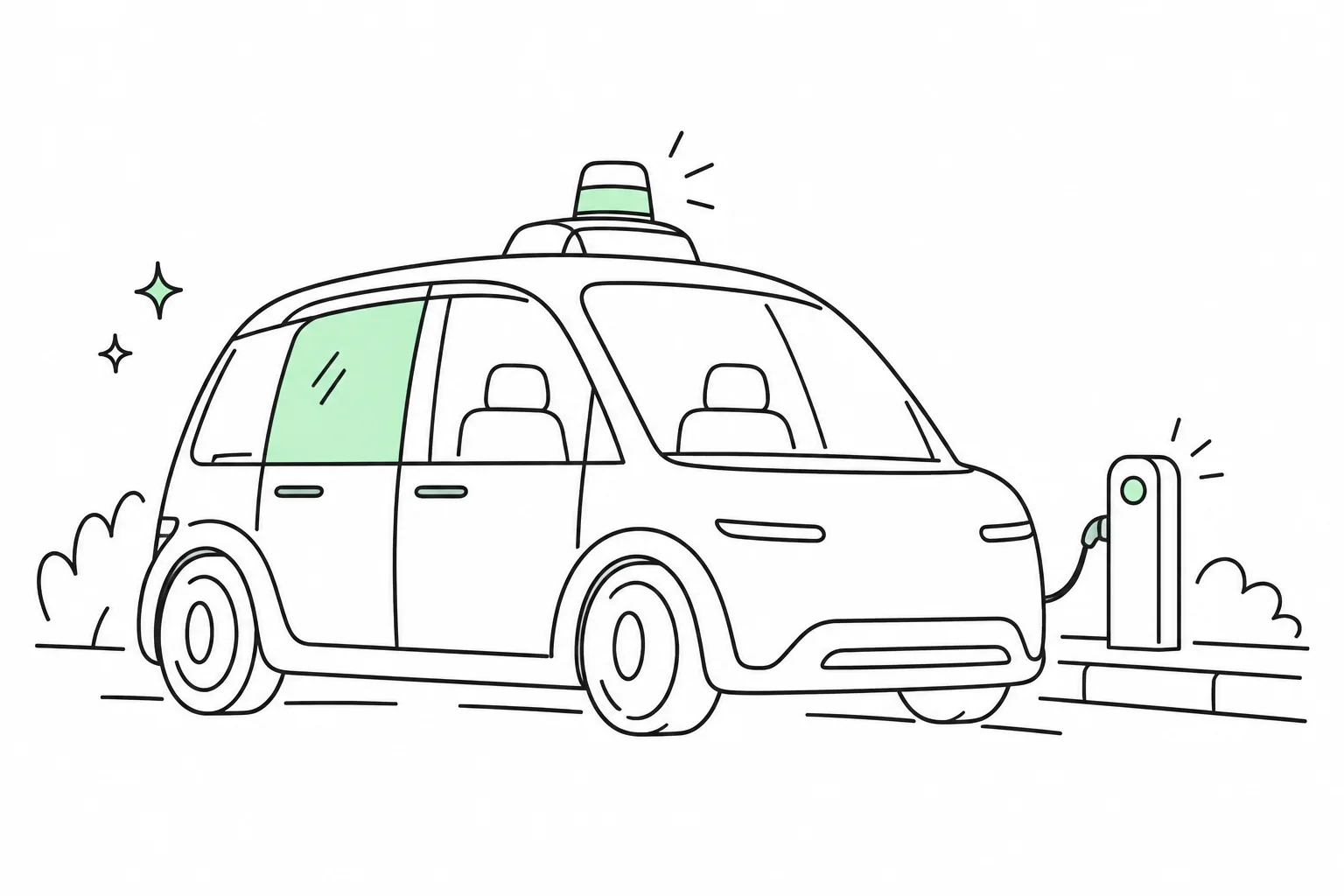
Lyft riders in Midtown Atlanta could begin matching with May Mobility’s modified Toyota Sienna vehicles in September 2025. Lyft’s announcement called it an autonomous-vehicle launch. It also said a trained standby operator would ride in each vehicle and take over when needed.
That second sentence is the business story. The pilot gives Lyft real rider requests, routes, and handoffs to study. It does not yet remove driver labor from the ride. Lyft’s current service page still describes a standby operator at the wheel during the pilot.
I had treated a vehicle on the road as proof Lyft’s multi-partner autonomous strategy worked. That skipped the expensive middle steps. May Mobility still needs to show what share of trips the system completes without intervention, what areas and hours it can serve, and what happens to cost when the onboard operator is no longer required.
I like the use of an ordinary minivan. Passengers can judge the ride without a futuristic body distracting from the service. But the vehicle shape is not an economic result. Atlanta matters if Lyft and May can turn this supervised pilot into reliable paid service without a person in every seat. The robotaxi map keeps that distinction visible.