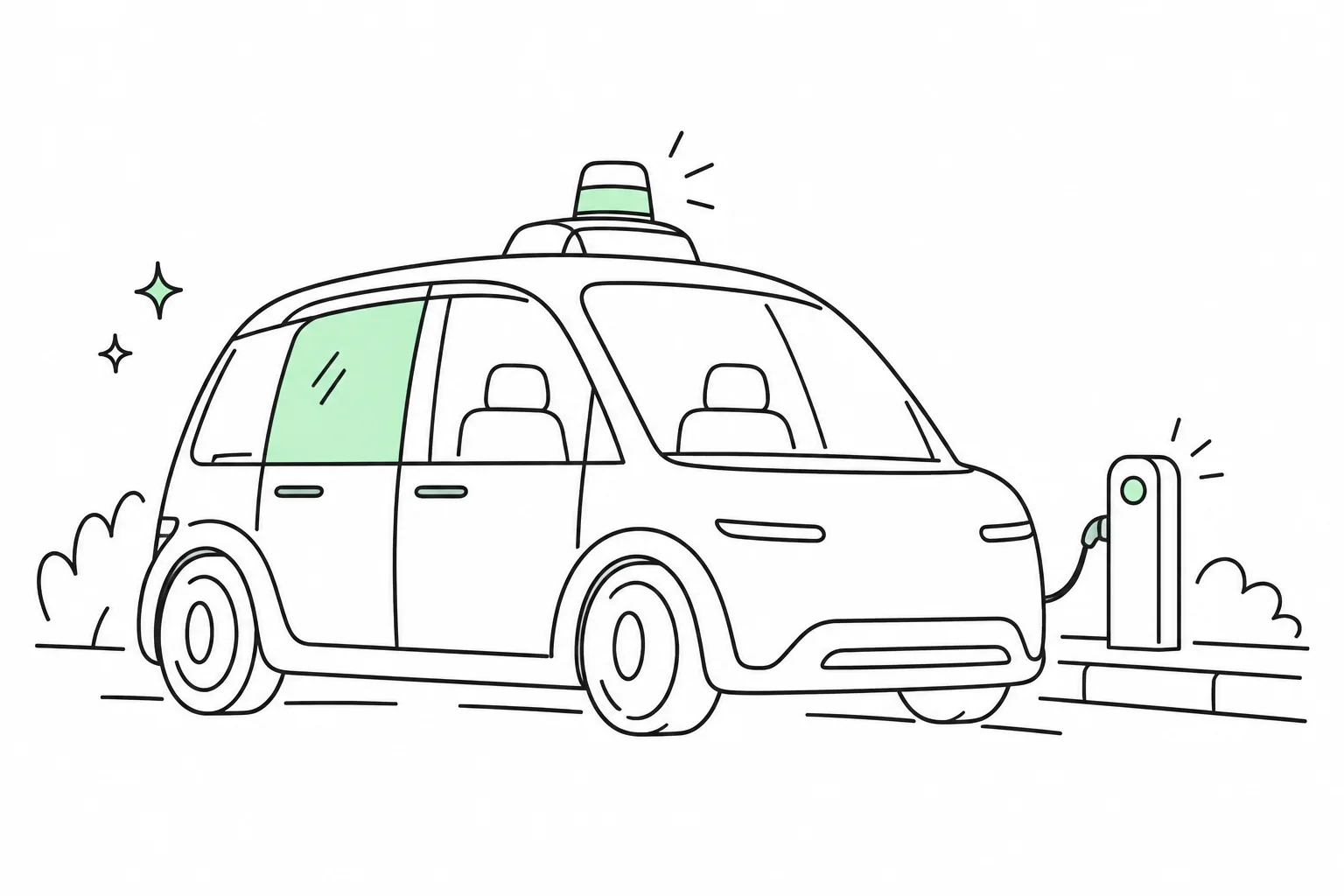
Zoox opened its purpose-built robotaxi service to the public in Las Vegas in September 2025. The initial rides were free and limited to designated pickup and drop-off points around the Strip. Its rider manual describes app requests and concierge help at some stops. This was a real public ride service, with a narrower operating area than a conventional ride-hailing app.
The vehicle is unusual because it was designed around passengers rather than a human driver. Four seats face one another. There is no steering wheel or pedal set for a fallback driver. That choice gives Zoox control over the cabin and vehicle architecture, but makes its manufacturing and validation work more demanding. It cannot simply add the driving system to an existing passenger car.
Las Vegas is a useful first market for showing the experience to riders. A visitor can try the service within its supported area without buying a vehicle or signing up for a technical trial. But free rides and selected stops do not establish how many paid trips the fleet can complete across a city. Nor do they show whether the design is cheaper to buy, maintain, insure, or operate than Waymo’s vehicles.
The work around the ride still matters: charging, cleaning, repairs, remote assistance, pickup management, and responding when a rider needs help. Zoox describes human teams supporting journeys. The absence of a driver in the cabin does not remove those operating jobs.
September 2026 update: Zoox lists Las Vegas as open to the public and San Francisco as available to select riders. Its Hayward production facility creates room to build a larger fleet, though installed capacity is not a delivered fleet. The next evidence to watch is public ride volume, service-area growth, vehicle uptime, and cost per completed trip. Zoox has not published enough of those figures to claim a percentage cost advantage over other robotaxis.